|
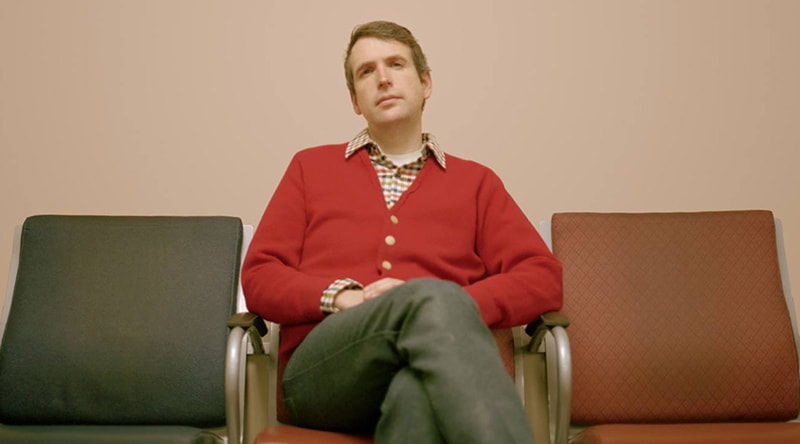
The self-taught musician and Canada’s indie-rock golden boy, Shotgun Jimmie, began his musical career in high school after tossing one of his teachers a demo. That teacher was Jason Baird, who would eventually become a notable rock musician himself, encouraged young Jimmie to put a band together and the rest is glorious rock ‘n roll history.
Shotgun Jimmie spoke with us about starting his first band, growing up in a vibrant DIY music scene, and why he loves Harvest Sun. What inspired you to start making music? I was a fan of indie-rock and rock and roll music when I was in high school. I liked music before I liked playing it. I always had a strong connection with music and then at a certain point, I realized that I could do it too. In school, they get you to play band instruments and stuff like that and you kind of see connections between the things that you're doing in school and the things that you're interested in and so I started to play the guitar. My development as a musician was untrained; I didn't take lessons. I'm self-taught. I didn't start by learning songs. I started by writing songs right out of the gate, which I think is an unusual approach. So you taught yourself to play. Did you form any bands when you were a kid? I got a four-track recorder in high school, and I started to make little albums in my parents’ basement, cassette albums that had six or seven songs on it. I had a student teacher at my high school in Ajax, Ontario who was finishing his after degree – Jason Baird, he is a Toronto indie-rock musician. He played with Feist for five or six years. He plays in Do Make Say Think and other Toronto bands. He was doing his placement at my high school, and I gave him a demo tape. He encouraged me to put a band together. He said 'this is really cool, but what you should be doing is finding other people and getting them to play these songs with you.' So I got some friends to play with me. There was a community of bands in Ajax when I was growing up and I guess some of them knew I was a songwriter, but I wasn't playing in any bands. When I decided to put a band together I went around and sort of picked the guys I thought were the most interesting and nice, and I brought them into my thing. Those were my first steps towards putting a band together and having people play my music and creating that relationship with other musicians.
1 Comment
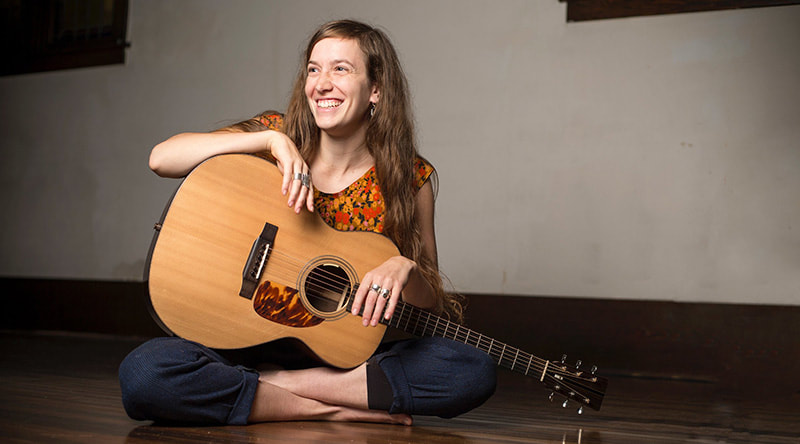
Photo by Jen Squires As one of Manitoba’s biggest folk/roots exports, it’s no surprise Sweet Alibi has already had a busy year full of touring and back-to-back festivals just six months into 2018. With notable highlights like playing in Germany and The Netherlands to touring all across our Prairies, Sweet Alibi has had a whirlwind start to the year and definitely show no signs of slowing down.
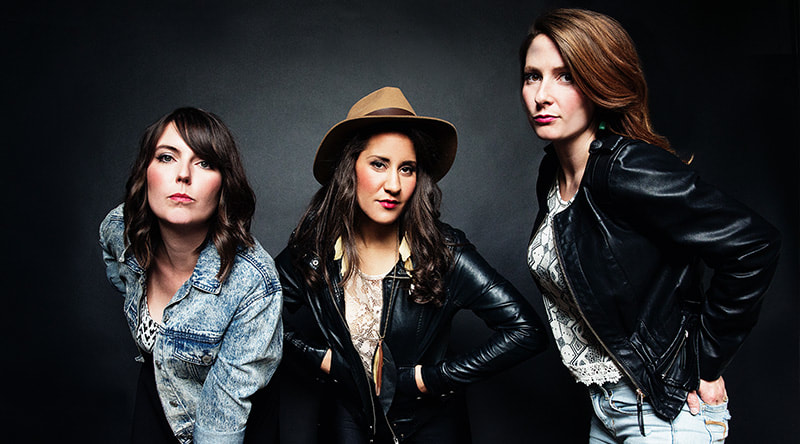
Guitarist/vocalist, Michelle Anderson, shared their favourite highlights (thus far), their favourite aspects of the local scene and why they love playing festivals like Harvest Sun. How did Sweet Alibi come about? Jess [Rae Ayre] and I knew each other from high school and would play music every now and then. Jess knew Amber [Rose] through her drummer of the band she was in at the time. I wanted to start a band with Jess, and Jess suggested Amber be involved. We wrote a song together the first time we met. What would you say are some of the most notable changes you've seen over the years as you've evolved as a band? We started off pretty folky, and over the years we've added more electric guitars and pop arrangements to our music. What were your biggest influences when first starting out in music? We all had different influences when we first started out. Amber had a lot of country influences. Jess had blues, and I was listening to a lot of Indie music like Feist, Hawksley Workman, Wilco etc. This has been a busy year for you already. You kicked it off in Europe and continued with several tours. What have been some of your favourite highlights from this year so far? Europe was definitely a highlight for all of us. It was our first time going over there, and everyone was so amazing, from the audiences to the promoters, and our driver. We felt like rock stars! You may have known her as one-half of folk/roots duo, Roger Roger, but singer-songwriter Madeleine Roger is out paving her own path and instantly enchanting all listeners with her own collection of songs.
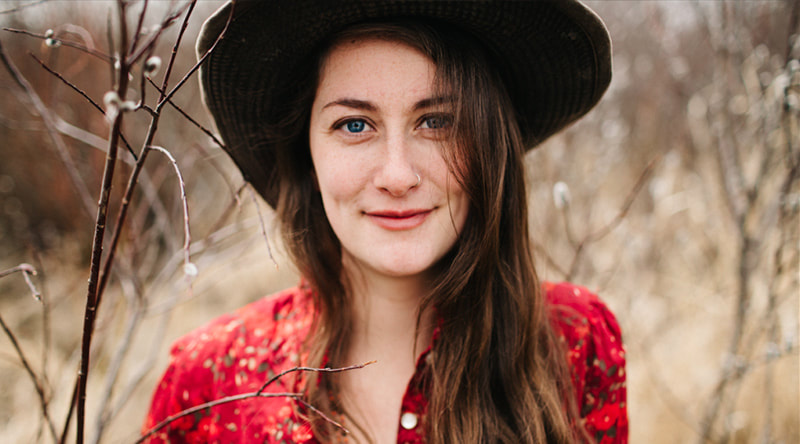
Madeleine spoke with us about the intuitive nature of her songwriting process, her upcoming debut album, Cottonwood, and the value of creating an album with equal gender representation among its crew. What sparked your interest in music in the first place? My dad is a musician and a recording engineer/producer and studio owner here in Winnipeg, so growing up we were always around music. I guess throughout the years I was actually more drawn to theatre and musical theater but then near the end of my theatre degree at the University of Winnipeg, I started writing songs and I just completely fell in love with the process. I decided to jump the theatre ship and get on board with the life of a songwriter. So what part of theatre sparked the idea to start writing songs? It's funny. I was actually sitting in my theatre class just thinking like 'Man! I really wish that right now I was at home writing songs', and it was as simple as that. My mind was distracted. I was trying to focus on the thing that I had always been in love with, which was theatre, but I was being called in this new direction. It was so strong that I actually just sort of dropped everything in my life and started writing. Can you go into your song-writing process a bit? Your songs are very story-based, so where does that come from? There's never been a normal method for me. Every song has been written in a totally different way. I've written songs on buses, on my bicycle, I've written them where I've done all the lyrics first and then the chord progression and the melody has come later. I've written partial songs in a dream and then I wake up and hum the tune into my recording app on my phone and then deconstruct it later and figure out where the song is. For the most part though, when I know that I have this song in the making, there's this moment where I sort of realize what the song is actually about and from there everything just kind of unfolds. With their new EP, Stay up Late, Winnipeg quartet Kakagi serves moving anecdotal songs that encapsulate both the emotional complexities and simplicities of life in the Great White North.
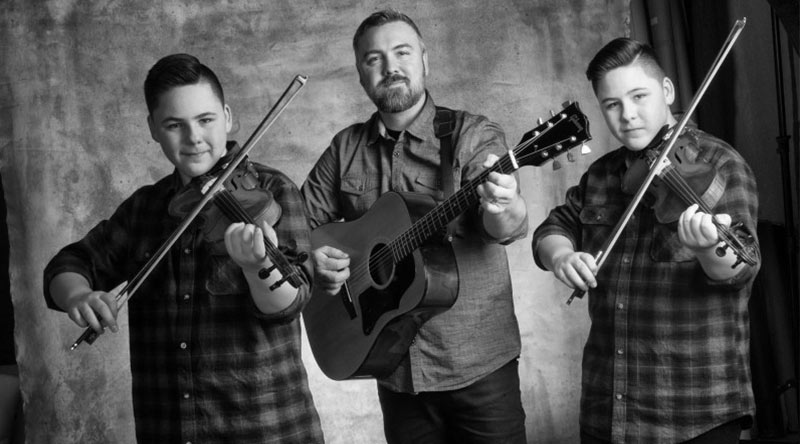
Bandmates and brothers, Jacob and Max Brodovsky spoke with us about musical influences, the band’s growing bond and their unique brand of folk-rock. Can you go through how you guys got started in music? Jacob: I've been playing in bands since I was 11 or 12. I've always played guitar. I wanted to play the drums. My parents wouldn't let me, but they let Max, so Max started playing drums. I moved to Toronto when I was 18. I played in a band in Toronto for a while. When I moved home, Max moved home around the same time, and we figured it was time to get together. It kind of fell into place pretty quickly. My good buddy Jesse [Popeski] plays guitar, [Max's] good buddy Jonathan [Corobow] plays bass. Were you guys from a musical family? Jacob: Our parents are hilariously not musical. I always resent people whose parents are musical. I feel like they got an unfair leg up. I wish my parents made me practice more. But did they at least expose you to the music that would have sparked this? Jacob: Yeah, our dad's a big music guy. We got introduced to good music early and dissuaded from listening to bad music early. Can you talk a bit more about those influences? Max: For me, mainly The Band, Neil Young, stuff from that time. Jacob: That's all stuff our dad introduced us too – like The Allman Brothers Band and The Band. Lyrically, I listen to a lot of Wilco, The Weakerthans, and The Wooden Sky. Influence-wise we get compared to The Weakerthans, Neil Young. We get compared to Death Cab for Cutie. We like to play Canadiana, CBC-friendly kind of stuff. Winnipeg twin fiddlers, Aidan and Luc Wrigley, have been wowing audiences since they were introduced to the instrument at the age of three. Now under the moniker of Double the Trouble, they’ve gone from learning traditional Métis music to teaming up with their dad to put a modern spin on popular fiddle tracks. The now teenaged duo has spent much of their lives traveling around the country performing a mix of fiddle favourites and their latest original songs.
We sat down with Aidan, Luc and their dad/guitarist Robert about growing up as musicians, their long list of career highlights and how rapper Flo Rida helped sparked the musical bug in the young duo. You guys have basically been doing music your whole life. What has it been like growing up with that? Aidan: When we were younger, like at three years old, we were enrolled in fiddling lessons, and I feel like it's made it a lot easier to learn other things, like other music and school, seems to be a lot easier. Robert, were you into fiddling as well? Is that how they got into it? Robert: No, but I've been a guitar player for most of my life. I also played the banjo. I've been playing that for about 20 years now. I play a little bit of mandolin as well, but the fiddle came along when my mother-in-law enrolled them in lessons. She's Métis and she wanted them to learn about their Métis culture, and music was a really good way to do that. So, she's the one that got them started. Can you talk about how you came up with your style because you incorporate a few different instruments? Luc: We usually play Métis fiddle music, and sometimes we'll sing songs that we'd see on YouTube or in movies. Robert: If these guys find a song they like we’ll usually learn it and then incorporate the two fiddles and the guitar. Sometimes they'll just sing it and I'll play guitar. Other times, if there is a fiddle, we'll try to learn those parts. In the last couple of years, we've added the kick drum. I'll play the kick drum with the guitar just to give it a little something. Photo by Janine Kropla It takes less than one listen to Carly Dow to become completely captivated in her songs. With every note and every chord, she gracefully builds deep connections and weaves beautiful musical stories within everything she writes.
The singer/songwriter spoke with us about her inspirations for her upcoming new album, Comet, and her favourite part about creating her “gritty wildcrafted-folk.” How did you get your start in music? My love for songwriting started with words. I grew up writing poems and short stories and had always dreamed of being a writer. As I became older, I started listening to the likes of Bob Dylan, Neil Young, and other songwriters - I was inspired to try it on my own. Eventually, I worked up the confidence to perform my songs in high school and became the frontwoman for several bands. Can you talk about your style of country/roots - you meld rock, old country, and folk, how did you develop your sound? My sound has certainly changed and developed over the years, and I suspect it will continue to transform as I am influenced by different things in my life. My sound is heavily inspired by roots, rock, and lyrically-driven artists. Much of what I listened to as a teenager was from my dad's record collection, and this informed much of my songwriting. The music I play has been described as "gritty wildcrafted folk". Can you talk about your upcoming new record, Comet? What can people expect from it? Comet will be my sophomore album and is being released on October 19th. I'm really excited about this collection of songs! I had a great team of folks helping me create this album, and we put a lot of work into arrangements and thoughtful production. The songs speak to wild places, heart places - they are not afraid to highlight both the light and the dark places. Much of the album features a backing band arrangement, and more banjo and electric guitar than my debut album! You’ve been a musician for quite a few years now, what are some of your favourite highlights? Performing at the 2017 Winnipeg Folk Festival on both Main Stage and the banjo workshop were major highlights for me. Also having the chance to perform in the Canadian North has been incredibly moving for me - communities like Inuvik, Iqaluit, Whitehorse, Dawson City, Atlin. I have also enjoyed sharing my music with folks overseas, and seeing how my music is received in countries where language and culture are quite different from my own. |
AuthorSnapshots of Manitoba music and the artists making it! Archives
August 2019
Categories |
RSS Feed